A phenomenon without example, Japanese prints combine majestic landscapes, sensual scenes, demons and other creatures that alarm the living, sumo wrestlers ,and courtesans . This article lifts the veil on a valued but misunderstood art telling the story of ukiyo-e and its influence on other countries
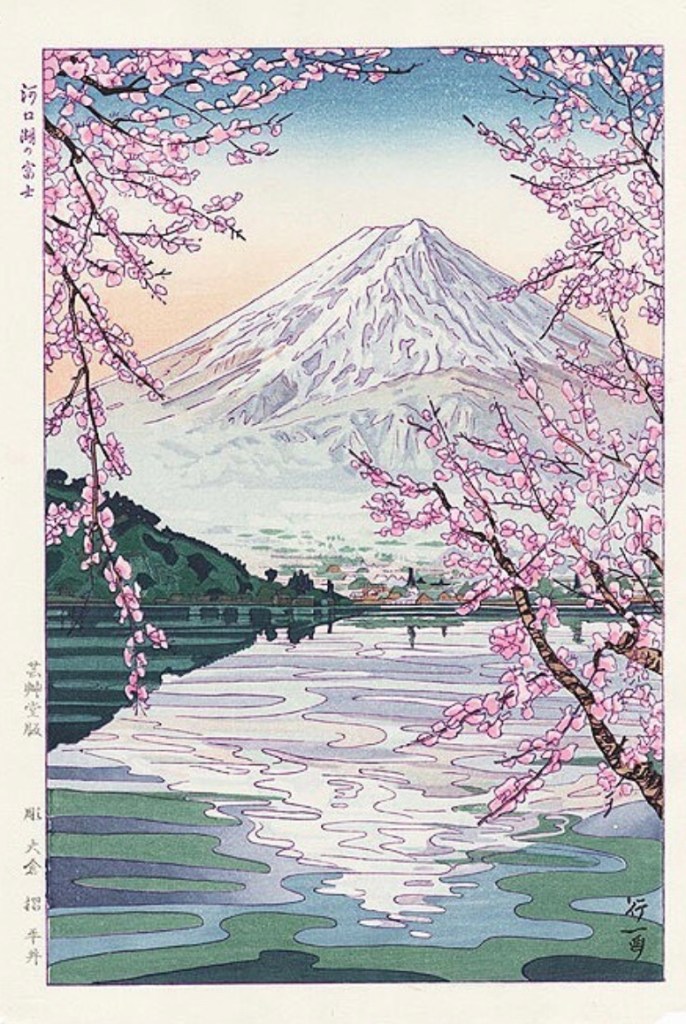
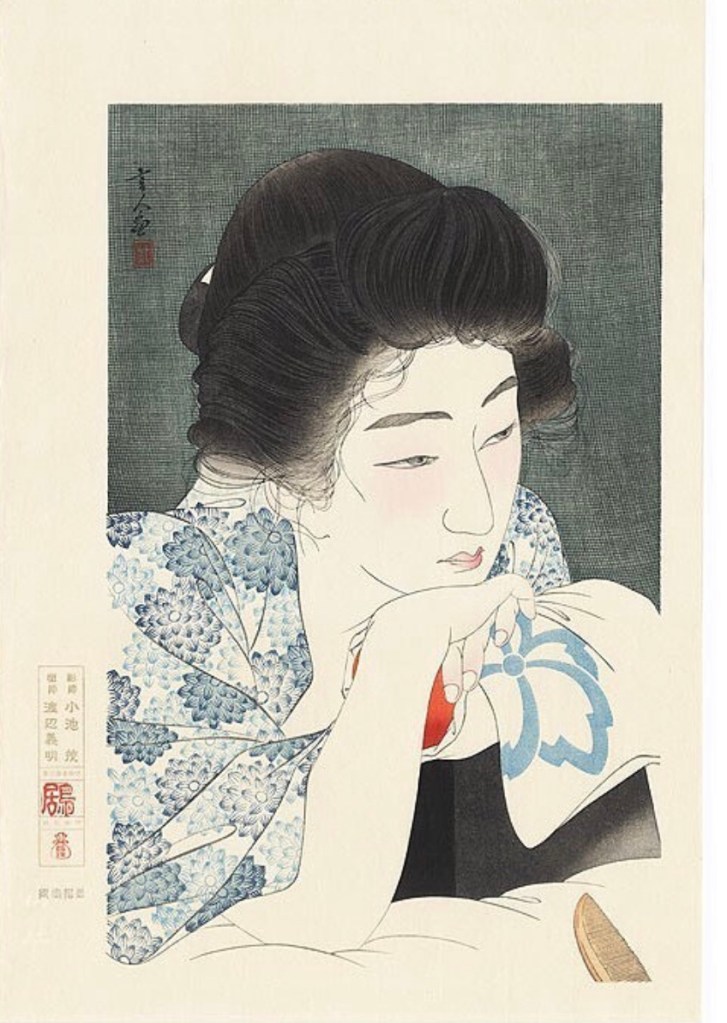
In Japan, during the Edo period (1603-1868) , prints inspired both everyday nature and popular allegories. These latter, populated by demons( The yōkai), daring heroes, and all kinds of fantastic creatures have stirred up the imagination of ukiyo-e artists, producing compositions of Exceptional Creativity.
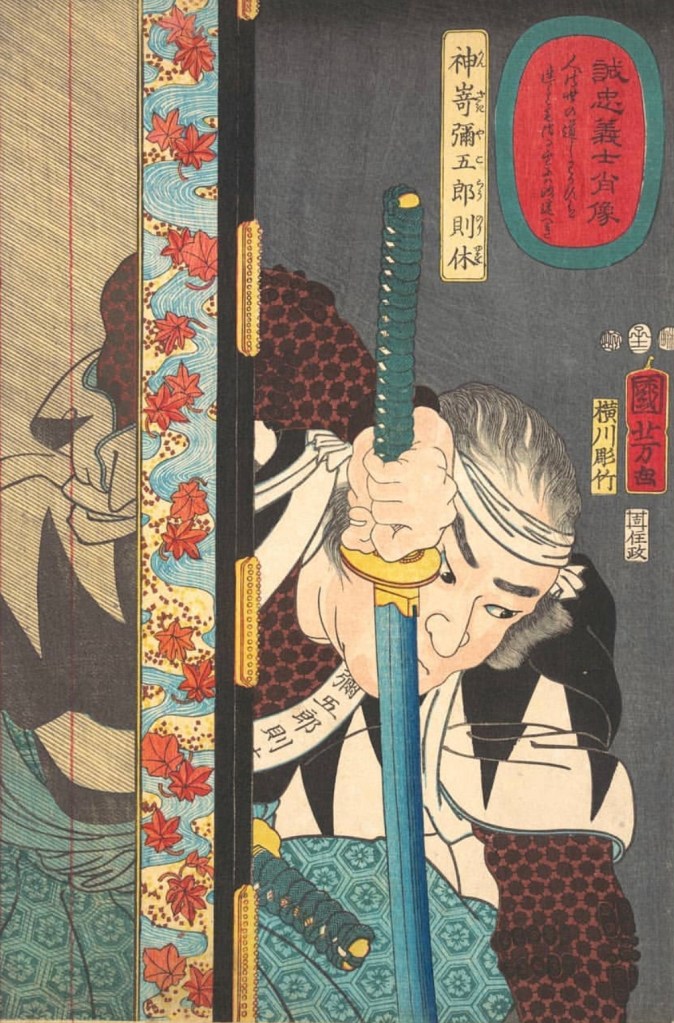
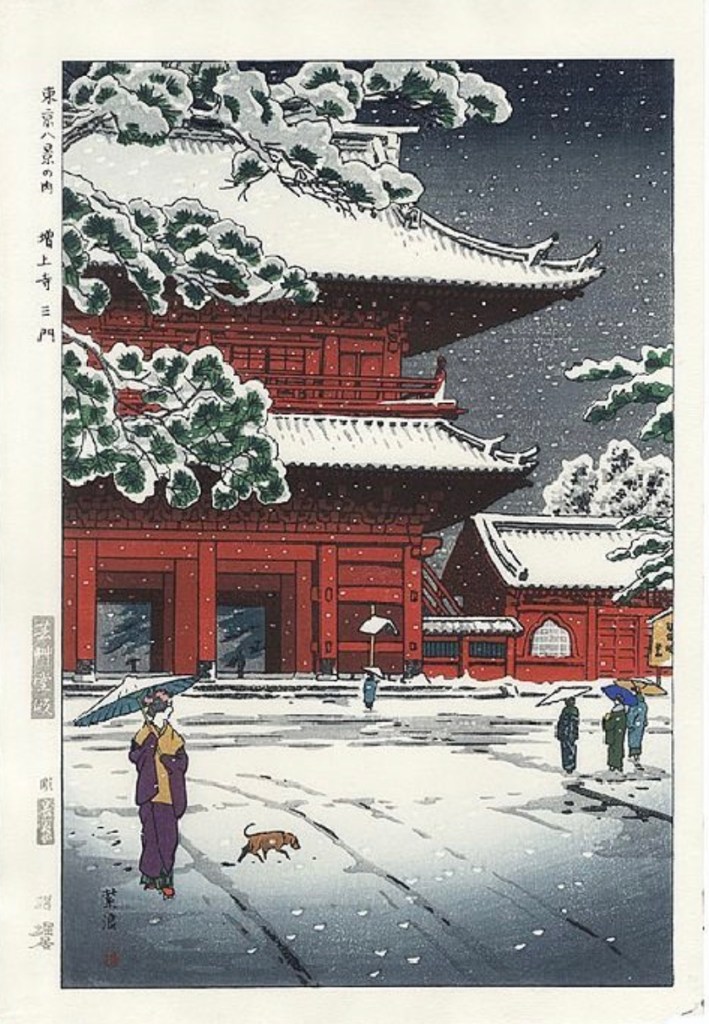
The first principle of the Japanese print was not to describe reality, but to describe the impression that the subject gives, the emotions that are released from theater actors, such as passion, joy, anger, or the sacred beauty of landscapes.
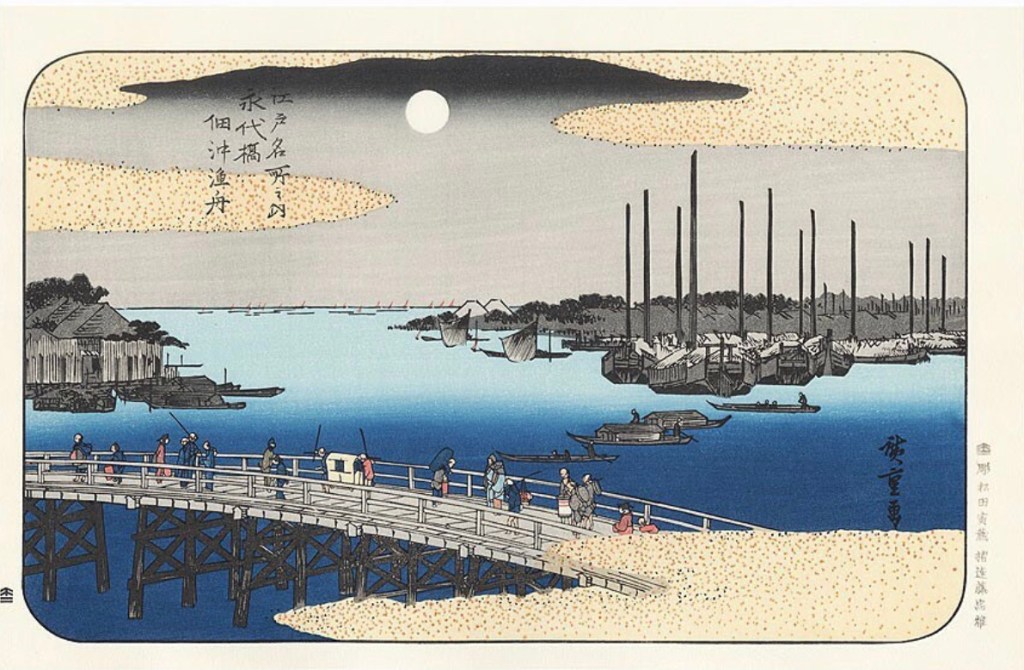
Japanese prints were at first Popular illustrations affordable but as soon as Japan opened in 1858 ,the new fashion ,”Japonism” spread around the world but especially in Europe. The prints begin to gradually become The representation of a Japan at the height of its culture. Impressionist and post-impressionist artists drew a lot of inspiration from ukiyo-e and particularly from landscapes. Indeed in the nineteenth century European painters gradually detached themselves from the rigorous pictorial laws of classism, and impressionism aimed no longer to accommodate itself to standards but to represent its impressions
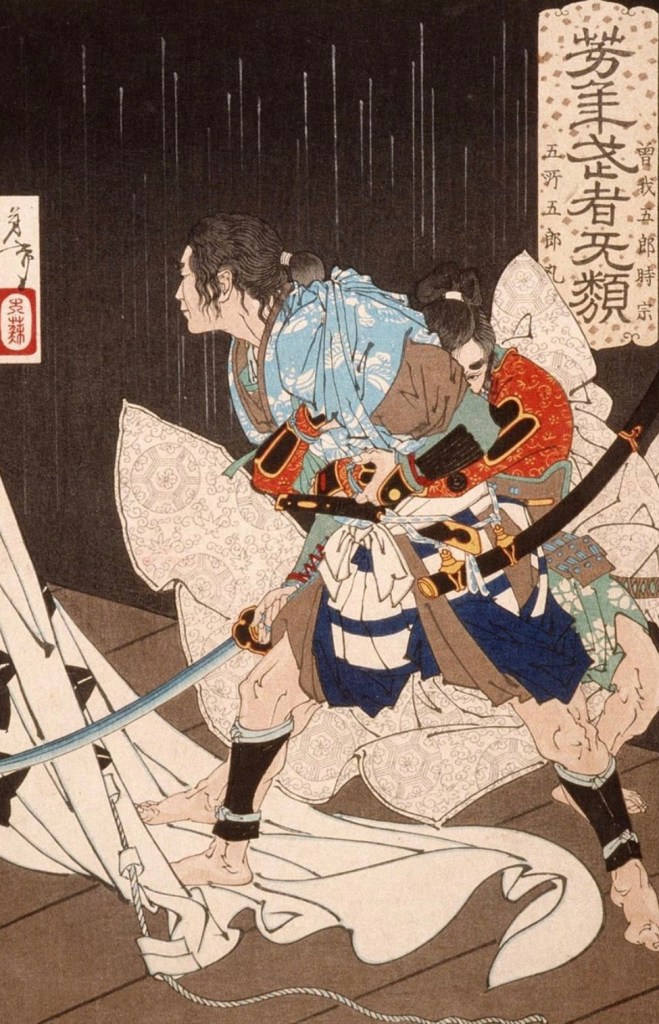
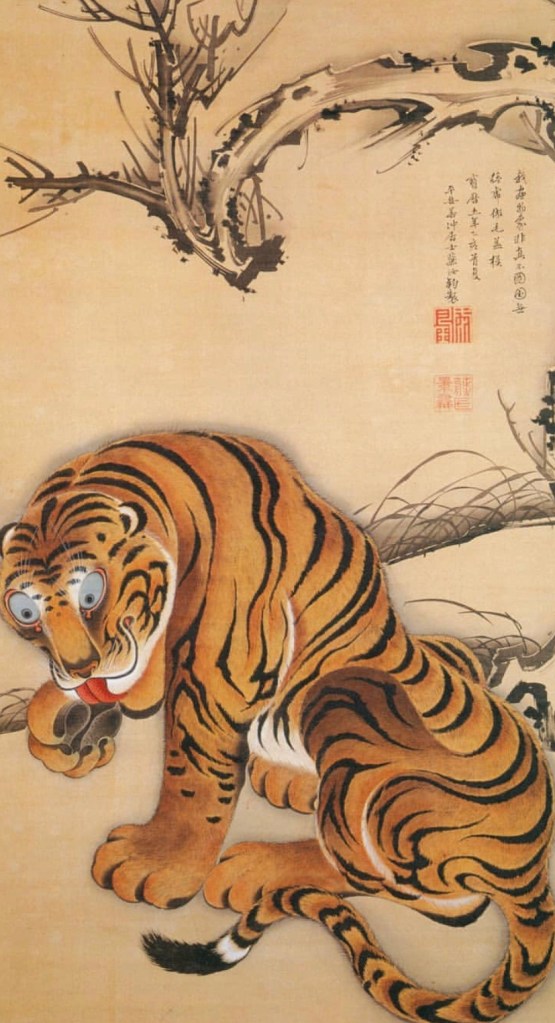
European artists did not hesitate to discover this delicate art. monet’s passion for the Japanese print has moreover become public. other french artists like Degas, Manet were also influenced by the art of the external east.
Vincent Van Gogh also developed an affection for ukiyo-e and fell in love with it. the painter goes so far as to recopy the prints to really imbibe them.In the images below you can discover some of the copies of Van Gogh
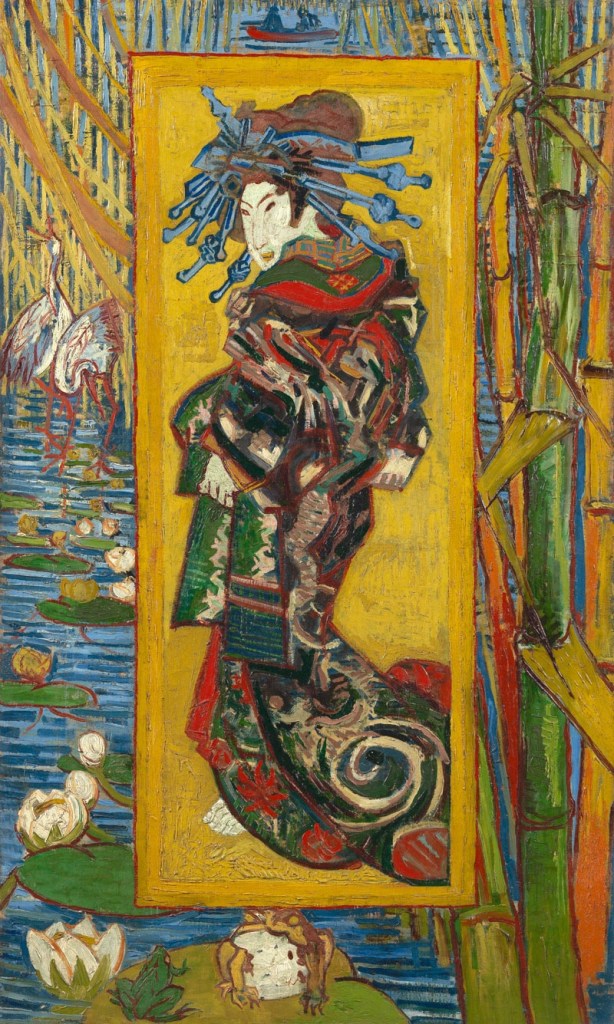
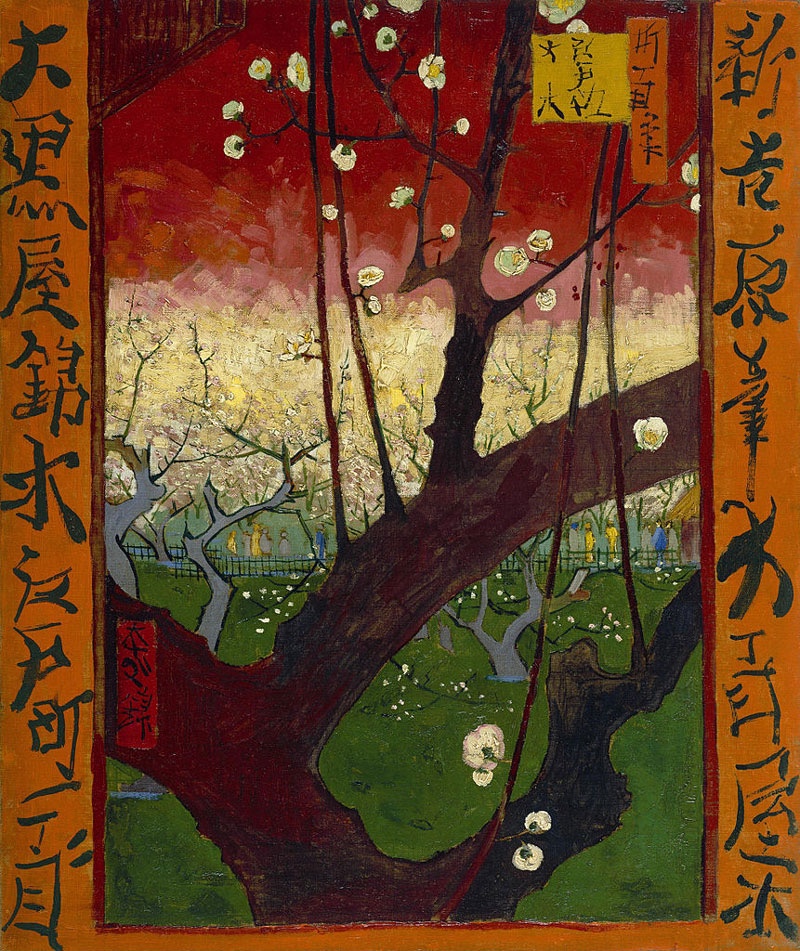
In East Asia , pictorial art is like a derivation of calligraphy. There is neither perspective, nor foreshortening, nor shadow to give the impression of thickness and shape: attitudes, like proportions, are often artificial, heedless of real anatomy and not exempt from monotony; but the purity and delicacy of the contours, the harmony of the fresh colors, the richness of the tones, the refined feeling of the composition make it an enchantment for the eyes. These merits explain the seduction exercised by the masters of Japanese prints on Western artists and the considerable influence they had in the renewal of decorative art in Europe.

 L’aubade